

For our future, we are talking, learning, and taking action.
Young Native people are protecting themselves from overdose — learning ways to say no to drugs and more about fentanyl prevention. Native youth get knowledge and strength from their families, Tribes, and communities.
There's a lot of power in sobriety and having the ability to say no, and make that decision for yourself.

What we can do
Fentanyl is a powerful drug that is highly addictive.
Using substances is your choice. Learn how to say no to drugs.
Young people want to hear from adults about substance use.
Adults can find everyday ways to help reduce substance use.
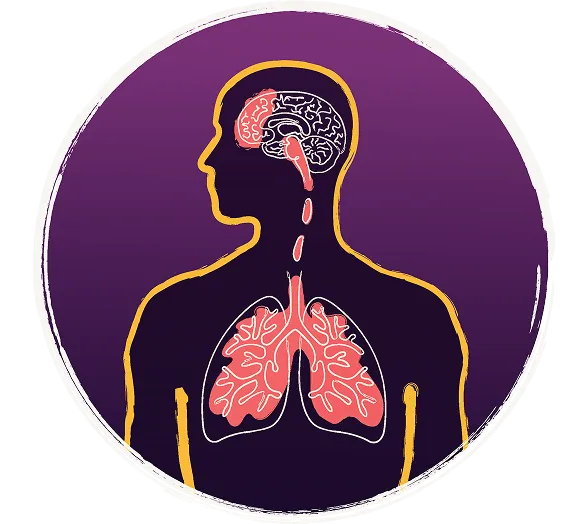
Fentanyl affects the brain and body.
Fentanyl is a powerful opioid that affects breathing. Why is fentanyl so dangerous? What does fentanyl smell like? What does fentanyl look like? How does it work?
- Doctors can prescribe fentanyl for people with severe pain, like after surgery.
- But illegal fentanyl is made without safety rules, and it’s often mixed unevenly into fake pills or other drugs.
- Nobody can smell, taste, or see it. Fentanyl has no odor or taste, and you can’t see it mixed with other drugs.
Here’s how it works.
Fentanyl attaches to “opioid receptors” in brain cells. This takes away pain and causes happy, calm feelings. The brain wants more of those feelings after fentanyl wears off.
Medicine called naloxone can reverse an overdose. Naloxone (also called Narcan) replaces the fentanyl attached to the opioid receptors, and the person starts breathing again. Learn more about naloxone.
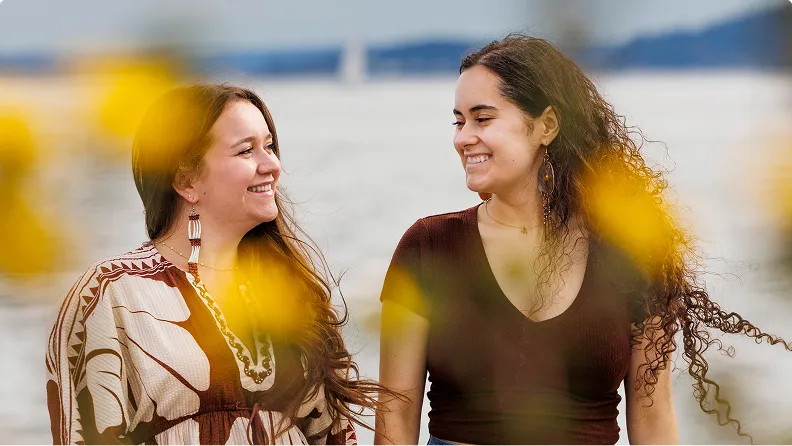
At school, siblings find ways to protect themselves.
Their mom’s family is from India, and their dad is part of the Cowlitz Indian Tribe. With their different cultures, Ayasha and Meera heard different ways of talking and thinking about substance use. Now they’re students at the University of Washington, and they handle substance use with friends and at parties in their own ways.
Meera decided not to use substances at all. Ayasha sometimes does want to take part and makes her own decisions about what, where, and how much. They both carry naloxone, in case anyone around them overdoses on opioids. Ayasha says:
At the end of the day, you can make your decision, and you can say no.

Making sure the choice is yours.
Using substances is a choice, whether it’s for today or the long term. Learning how to opt out helps you stick by your own decisions even if others are using or you’re feeling peer pressure. Learning to say no is a useful skill for many parts of life. Nobody’s perfect at it. What matters is making sure your decision is really yours.
You don’t have to explain. You can just say you’re not interested. “Not today” or “I don’t mess with that” is enough.
If it’s easier, you can put the blame on something or someone else, like saying, “I have class” or “My mom would find out.”
If you still want to hang out, try changing the plan to something else. Suggest “Let’s play basketball instead” or “Let’s go get food.”
If the situation doesn't feel right, you can just leave. You don’t have to say anything.
Finding strength in culture, family, and Tribe.
Neomia Battin is part of the Kalispel Tribe of Indians. Growing up with his family on the reservation, learning what it means to be Kalispel, he knows he always has a place to call home. He knows if a situation with substances came up, he’d have people to support him.
Neomia’s auntie Alisha Athos teaches at the Kalispel language school. The walls are covered with illustrations of objects and actions and the Salish words for them — including many frogs, Alisha's favorite. As her students learn Salish, they’re learning their culture, too. She believes this will help them grow up resilient and strong. She says:
I want them to live long, happy lives. I want to see them when they grow up. When I go to the gatherings, I hope they come up to me and ask me how I’m doing in the language.

Surrounding youth with support.
Grandparents and relatives, teachers and coaches, neighbors, and Elders — every person can do something to help protect Native youth from overdose and support fentanyl prevention. When communities work together to share knowledge and support, substance use goes down.
Here’s a guide to help you get started. Find more resources for Native youth in the For Our Lives toolkit.
Teach them to harvest. Mentor them as artists. Remind them they’re valued. What matters is helping young people connect with their cultures, Tribes, and communities. A strong sense of Native identity helps to protect them. Young people who feel supported by their communities are more likely to avoid risky behaviors.
Like adults, young people might use substances to cope with stress, anxiety, or depression. But good emotional and mental health can help prevent substance use. Talk openly and check in regularly about mental health. Help young people get counseling or other support they need.
Relationships with supportive adults are important for young people. But kids and teens also have their own lives and, as they get older, more control over their own choices. Help them think through decisions in their lives and ways to talk with others about them. This will help them if they feel pressure to use substances and in many areas of life.
With her mom in recovery, a daughter is learning, too.
When Shaliya was younger, she lived with her grandma for a while. Her mom, Hannah, was in treatment. Now Shaliya and Hannah — members of the Puyallup Tribe of Indians — live together again. They have a big family and a yard with a trampoline and chickens.
Sometimes they talk about those years apart. They also talk about what they’re both learning now as Hannah works on recovery, like how to hold boundaries. Hannah told Shaliya:
When I was living in addiction, it was a really bad time. But it led to who I am today. And it helps me teach you how to not make the same mistakes.
When adults talk, kids learn.
Young people say they want to hear from adults about fentanyl and substance use, and they want the adults to start the conversations. Kids and teenagers have different levels of knowledge or experience with substance use, or none at all. Adults can give them accurate information, avoid judging them or people they care about, and remind them that they have support.
Here’s a guide to help you get started. Find more resources for Native youth in the For Our Lives toolkit.
These conversations include space for different experiences and realities. It's OK for adults who are in recovery to talk to young people about avoiding substances. Telling personal stories, including recovery journeys, can be powerful.
When young people have accurate information, they can protect themselves. They should know fentanyl is a powerful opioid that’s in the drug supply, commonly mixed with other illegally sold drugs in unpredictable ways. A tiny amount can cause a fatal overdose. Download this conversation guide.
Kids and teens have their own ideas and experiences. Let them ask questions and talk about their perspectives on substance use, so they get the information they’re looking for and feel included and heard. Keep in mind that some kids will keep experiences to themselves.