
Stigma tells stories that harm us. We are telling stories that heal.
For many Native people, substance use challenges are deeply connected to the lasting impacts of historical trauma, loss, and ongoing inequities. Stigma only adds to these burdens by creating shame and fear that prevents individuals and families from seeking the help they need, making recovery difficult.
The language we use has the power to either reinforce stigma or promote healing. By educating ourselves and others about how to use compassionate, person-first language, we can break these barriers and create environments where people feel respected, supported, and valued.
Addiction is a disease. But there’s hope.
The words we choose matter.
- Referring to someone as a person experiencing substance use respects them as a whole person rather than defines them by their condition and acknowledges their dignity and humanity.
- Changing the way we think and talk about substance use creates understanding, respect, compassion, and hope.
- Every conversation is an opportunity to replace judgment with compassion, honor resilience, and create a path to connection and wellness for future generations.
Together, we can create communities where Native people feel safe seeking support, healing is encouraged, and stigma no longer stands in the way of recovery. Encouraging a more compassionate language starts with one word. Breaking stigma saves lives.

What we can do
Native people are changing the ways we see and tell our own stories.
Here are some everyday ways to use language to build trust and hope.
It might feel uncomfortable, but support matters for people with opioid use disorder.
We can change our stories. All it takes to start is one word.
Stigma about substance use can affect us all, even if we don’t know it. We can all absorb and share negative beliefs and stories with others.
Stories have a way of keeping people apart when they need to be together. They can keep us quiet about a friend, a relative, or our own challenges with substances when we need support. Stigma can prevent us from starting treatment and can make recovery harder.
Through no fault of our own, stigma about substance use, treatment and recovery, can live deep within us and our communities. But we can change the stories we share to help undo stigma. All it takes to start is one word.


Stigma about substance use can affect us all
Even if we don’t know it.
We can pass along those negative beliefs and stories to others
Even if we don’t mean to.
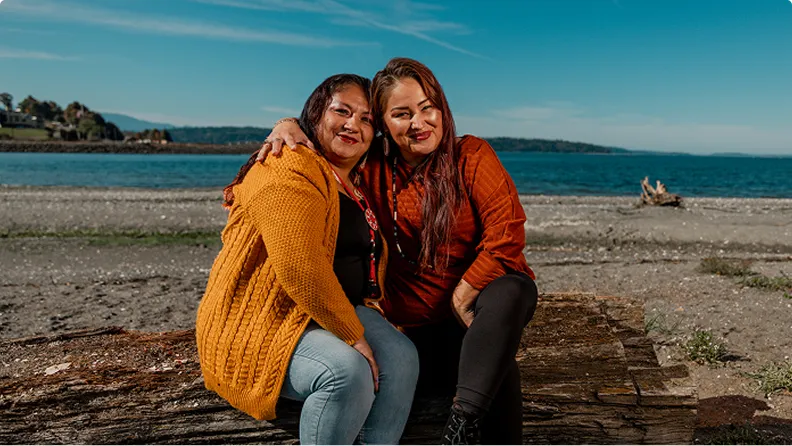
Everyday words help break the stigma.
The way we talk about recovery or substance use disorder tells a story that others take to heart. Compassionate language can build trust, hope, and remove some of the stigma people face. Here are some ideas to reduce stigmatizing language:
- Ask and listen. By asking people about their wins, even small ones, we acknowledge their strength. When we ask what they need rather than assuming we know, we honor their dignity.
- Use names, not labels. When we say Jacy is in treatment or Susan is in recovery from substance use disorder, we honor them as whole people rather than as “addicts” or “ex-addicts.”
- Consider saying someone is “no longer using” rather than “clean.” Using drugs doesn’t make a person “dirty.”
- Build understanding. Remind others that people can, and do, recover. Talk about the courage and strength it takes to choose treatment and overcome one’s trauma and life’s challenges. Remind others that relapses can be part of recovery, which people can move past with support.
Moving past the stigma to provide support.
Stigma makes it uncomfortable to talk about opioid use disorder. People are more likely to recover with support.
- Listen without judgment. Ask about their experiences or concerns.
- Talk about safety. Encourage anyone using opioids to keep naloxone nearby, tell them where to find naloxone, and discuss the dangers of using alone.
- Talk about treatment options. Talk about treatment options such as outpatient and inpatient treatment and medications for opioid use disorder (MOUD). If they are ready, connect them to a Native-centered program.
- Create belonging. Tell them that they’re not alone and that you know and love them even when their substance use affects their behavior.
- Assure them you’ll be there for them on their recovery journey.
- Invite them to dinners, cultural events, and other gatherings. Substance use disconnects people from family, culture, and community. By supporting their reconnections, we can support their recovery.
Stigma affects families, too.
Parents and families of people with opioid use disorder might feel judged.
- Counseling or groups for people with relatives with substance use challenges can help.
- Other people can help, too. Start by just asking them how they’re doing.
- Opening the conversation and listening with compassion can make a big difference and help ease stigma.

How to help without enabling.
Sometimes people worry that helping someone who uses drugs is the same as “enabling” them. But there’s a difference.
Helping means supporting a person without protecting them from the realities of their substance misuse. It might be telling them we care about them and are there to help. It might be asking them about their experience and listening with compassion. This can make them feel safer asking for help when they’re ready.
Enabling means providing help that supports misuse. That might be making excuses for them or taking on their responsibilities. If you’re crossing healthy boundaries or using up your own strength and resources, you might be enabling someone’s misuse.