

Culture and connection help prevent fentanyl use and overdose.
Native people gain strength by taking part in traditional languages, practices, beliefs, and values. We can build our resistance to drug misuse by staying connected. You can protect yourself by using substance-free habit programs and medication-dispensed solutions.
He channels our ancestors.
What we can do
Native people in Washington gain strength from our beliefs, values, and traditions.
Be open and honest, listen well, and share accurate information.
Keep your prescription medications secure in a locking drawer, bag, or safe.
Culture and identity help us stay grounded.
Living alongside the beliefs, values, and traditions of our culture helps to protect us from substance misuse before it begins. These connections also support and strengthen us as we continue our journey in recovery.
Connecting with culture
There are many ways to connect with our cultures and one another. These are just a few. Tribal leaders, friends and relatives, and cultural centers are good sources for more information.
- Tribes offer online resources, immersion camps, gatherings, Elder recordings, and other ways to learn and teach our ancestral languages.
- Some K-12 schools in Washington also offer Native-language classes.
- Thousands of Indigenous people from coastal cultures connect with ancestors and one another at Canoe Journey, an annual event.
- Community events like powwows and coastal jams bring generations together for dancing, drumming, and food.
- Take part in first salmon ceremonies or traditional healing practices.
- Learn regalia-making, carving, food preparation, and other traditional skills.
- Tribal schools and colleges, youth camps, and athletics programs are grounded in culture.
- Gather food and medicine following traditional practices at seasonal events.
- Volunteer for Tribal events to clean up beaches, rivers, or forests. Volunteers also help plant native species, remove invasive species, and monitor shellfish beds and salmon runs.
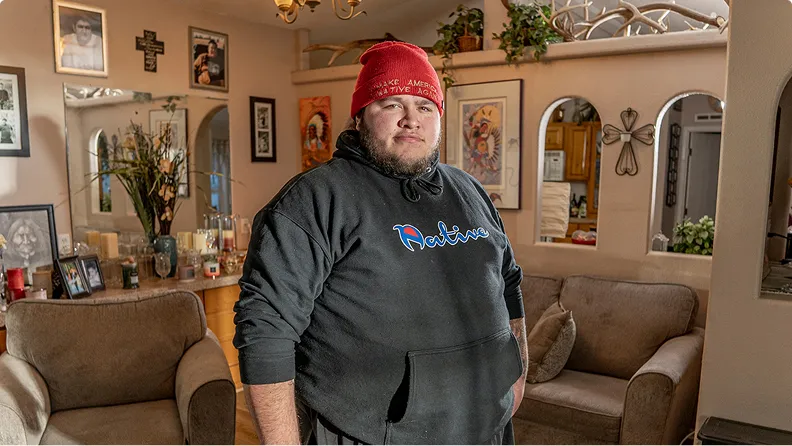
Culture is strength for singer who chooses sobriety.
In the second video Isaac Tonasket ever posted online, he sang an old Cree Federation song at Multnomah Falls. The video went viral, and now he has followers around the world.
As many Natives know, Isaac can sing, and he can make people laugh. His video “How Natives Give Directions” has 2 million views. But many people don’t know Isaac is sober and always has been. He wants to show his siblings and others they can choose to skip substance use. He wants to protect his mom against added worry.
Monica Tonasket, Isaac’s mom, is a member of the Spokane Tribe of Indians. For Isaac’s strong sense of self, she credits his connections to his culture and Native identity. Monica says:
When you know who you are, you become stronger.
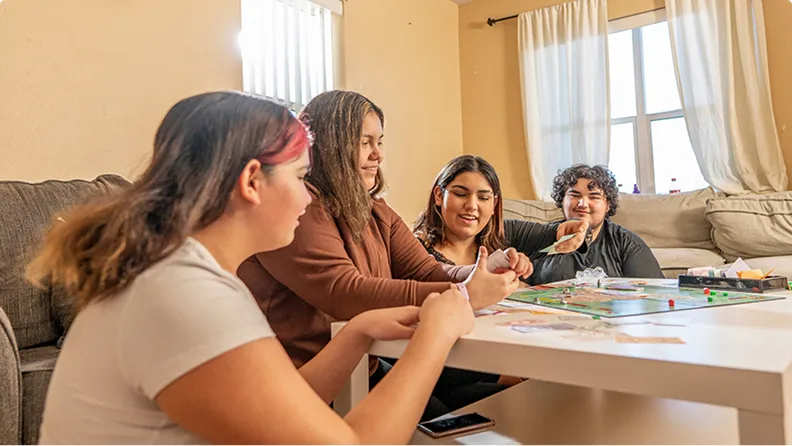
Talking about fentanyl helps protect us all.
We can talk about fentanyl and other opioids with friends or relatives, in talking circles, with Elders, or at gatherings. Any place that’s comfortable is a good place to talk.
Conversations about fentanyl can includes people of all ages and walks of life.
- Young people often want adults to start the conversation.
- Download this guide for talking with your doctor about prescription opioids.
When you’re talking about fentanyl with people in your life:
- Be curious and open. Ask them what they know or would like to know. Listen without judgment.
- Use neutral, nonjudgmental language. Talk about substance use as a safety issue, not a moral issue.
- Share your experiences. If you or someone you know has chosen sobriety or are in recovery, talk about that.
- Listen to people with mental health challenges. Mental health and substance us are often connected. Help people get care.
- Share accurate information. Learn the facts about the unsafe, unpredictable supply of illegal drugs and how fentanyl affects the brain and body.
- Keep talking. You don’t have to cover everything at once.
How to keep opioid medication safe.
Opioid misuse often starts when people use medication prescribed for a friend or relative. Opioid medications include oxycodone (OxyContin), hydrocodone (Vicodin), and morphine, along with fentanyl.
- Don’t share opioid medications.
- Know how many pills you have and count them regularly to make sure nothing is missing.
- Lock medication in a cabinet, drawer, or safe. You also can get a special locking bag. Many Tribes have these available. Some pharmacies also give them to customers, or you can buy them online. Lock up medication in a space where people spend time together (like the kitchen) rather than in a closed-off area (like the bathroom).
How to get rid of unused opioid medication.
When you are done taking prescribed opioid medication, get it out of your home. Three ways you can do this are to:
- Find a take-back kiosk by entering your ZIP code at MedTakeBackWashington.org.
- Order mail-back supplies at no charge at MedTakeBackWashington.org.
- Ask about drop-box location at your health center, police department, or pharmacy.