
Recovery is a process of change.
Native people are talking about what recovery means — working to be healthy and safe, finding purpose, and connecting with culture and others. We are finding sober support groups. And we are learning how to support someone in recovery.
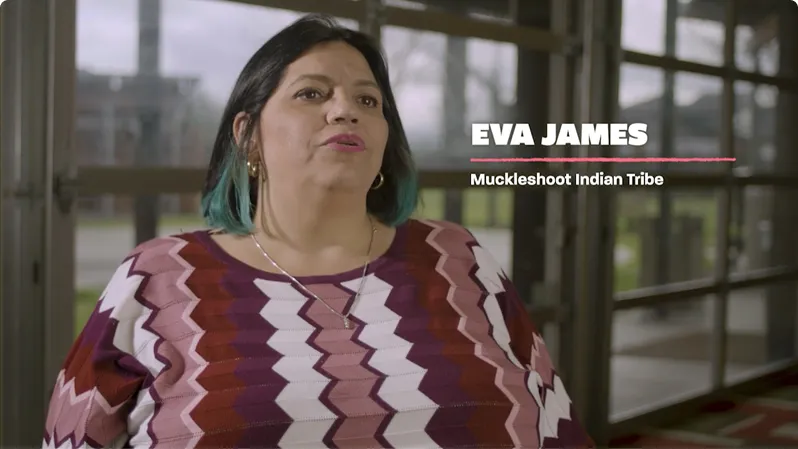
Recovery and my profession go hand in hand. I have a purpose.
What we can do
Recovery from opioid use disorder is an ongoing, everyday process of healing.
Connecting with yourself, others, and culture helps people in recovery build resilience.
Many Tribes and Native-serving organizations offer culturally grounded programs.
What does recovery mean?
Recovery is a lifelong journey of getting and staying sober. Sometimes it can include relapse or a return to use, which is a part of recovery people can move past with support.
Treatment and recovery are connected but not the same. Treatment refers to programs such as medications for opioid use disorder, residential and outpatient treatment, and healing practices that complement them. Recovery refers to the lifelong process of getting and staying sober.
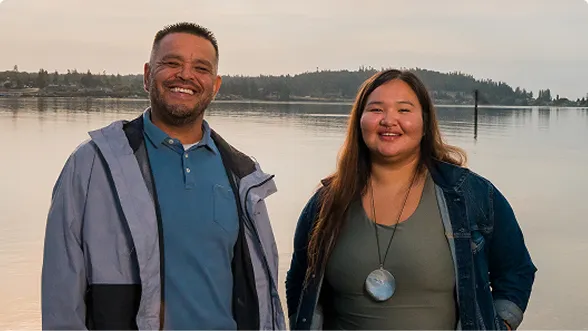


To build resilience, we are building connection.
Native people in recovery heal and thrive through connections with ourselves, other people, and our cultures.
- Do activities that feel good for your body and spirit. For some people, sharing meals makes them feel connected. For others, it’s dancing or canoe-making or basketball.
- Attend one-to-one community dinners and conversations about opioid use disorder, harm reduction, and treatment and recovery. Sharing your story or listening to others is healing and builds connection.
- Ask for support. Trained peer counselors, mental health counselors, and others in the community can help you get through hard times by sitting with you, listening, and empathizing.
- Spend time with others in recovery or with Elders. Learning from their experiences and listening to their stories reminds us of all we have overcome and of our strength as Indigenous people.

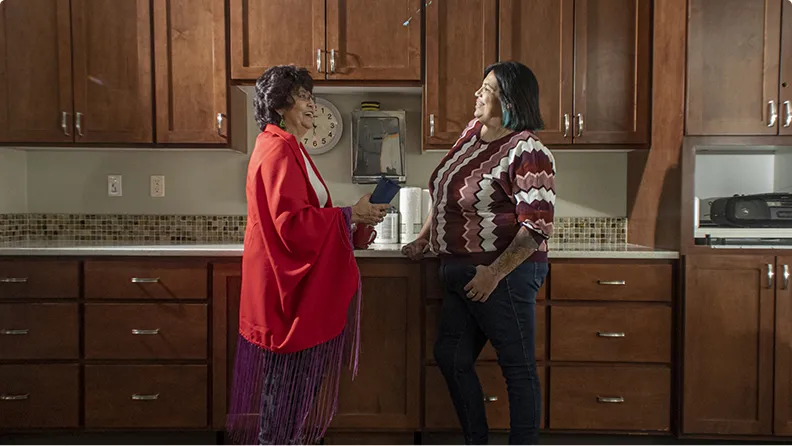
In recovery, ‘I’m part of the solution.’
Eva James’ recovery from substance use disorder makes it possible for her to support others. It’s also a 24-hour project. "I have to take care of it every day," she says.
Now Eva works at the Muckleshoot Recovery House, where she used to live. She is grateful that fentanyl, which is much stronger than heroin or morphine, wasn't in the drug supply when she was using substances. Fentanyl has taken the lives of relatives and friends.
“Fentanyl is a lot to handle,” Eva says. “But as long as I can stay clean and sober today, I’m part of the solution.”
Eva supports Recovery House residents and helps them get connected with other people on their recovery journey. She says:
The program helps you find a recovery family.
Look for recovery programs that center Native people and families.
Often the most effective recovery programs for Native people center culture and Indigenous practices. Many Tribes and Native-serving organizations in Washington provide recovery services such as transitional housing, learning circles, sober support groups, and mental health care.
Many also offer services for relatives of people in recovery. Substance use disorder can affect every member of a family, and everyone deserves support and healing. Children, parents, and siblings also can learn how to support someone in recovery.
To find culturally grounded recovery programs, counseling, and other support:
- Talk to your Tribal behavioral health center or medical center.
- Call the Native Resource Hub at (866) 491-1683.
- Call the Washington Recovery Help Line at (866) 789-1511.
Getting support shows humility and courage. Those are qualities all of us can honor and respect.